

Chapter 2: The Management Environment
External environment — what it is, its main components (economic, demographic, technological, sociocultural, political/legal, global), and why managers must pay attention to it.
Environmental uncertainty — how the degree of change and complexity shapes managers’ decisions and the need for flexibility.
Stakeholders — who they are and how managers manage relationships with them.
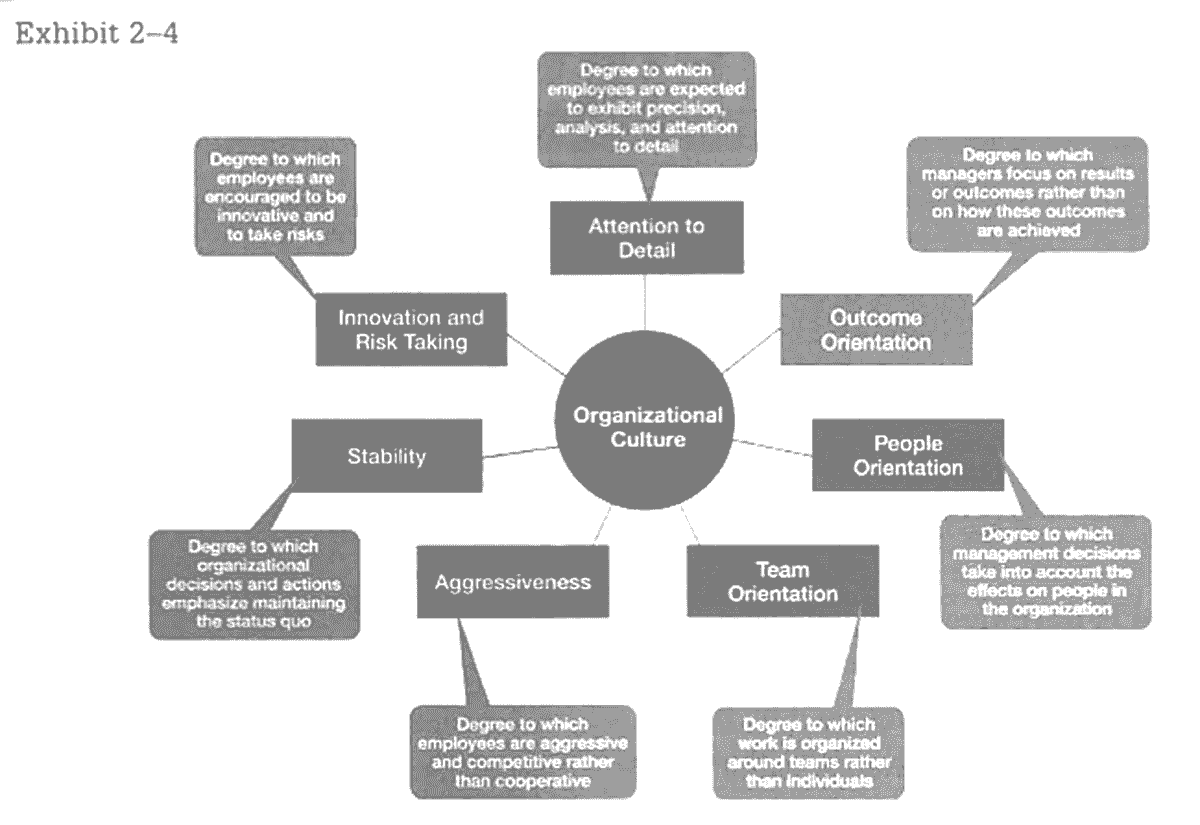
Organizational culture — definition, core dimensions, and why culture matters.
Culture’s influence on management — how culture shapes the four functions (Planning, Organizing, Leading, Controlling).
Managers and culture — the dual role: managers are constrained by culture and help shape or change it.
Class Discussion on Case Studies
Student Instructions for Class Discussion
- Take out your paper notes and review them quietly for 2–3 minutes.
- Be ready to share your answers when asked. Speak clearly and point to specific parts of the case when possible.
- Listen carefully to your classmates. You may be asked if you agree, disagree, or have a different example.
- Participate actively — answer questions, build on others’ ideas, and stay focused on the case.
- At the end of the discussion, write a short 1–2 sentence exit ticket on your paper answering:
“If you were a manager in this company, what is one thing you would do differently after reading this case?” - Keep your notes for studying (or turn them in if your teacher collects them).
Independence
How to Build a Website Like a Professional
You’ve read all your free member-only stories.
Become a member to get unlimited access and support the voices you want to hear more from.
Case Study 1
Case Study 2
Case Study 3
Final: Company Culture | For Your Small Business
Choose your ideal work environment
